Made beans from my own bean zine. Always makes me feel self-actualized 😂
Year: 2025
Is it sabotage?
This item from the Simple Sabotage Field Manual is such a common complaint about cishet husbands… Someone should check how many other CIA sabotage tactics double as stereotypical husband behaviour 😂
When you go to the lavatory, spend a longer time there than is necessary.
Winter mood privilege
Maybe it’s because I’m a night owl, maybe it is my goth heart, but when the gloom level gets apocalyptic like this I am filled with glee
The solstice cometh
Took an outdoor photo at 12:15pm and my phone automatically turned on nighttime mode
Reading Indigenous Intellectual Property
I’m still on med leave from my interesting job, so I figured I could at least read some interesting work-related books. First up: Indigenous Intellectual Property.

I finished chapter 1, and Val Napoleon’s framing of Indigenous intellectual property law is rearranging my brain. Here she is referring to laws as a set of knowledge about solving conflicts and problems. Just plopping the reader in the center of a vision about self-determined people supported by a vibrant legal system. Made my little anarchist heart wish for… laws?

Eternal meme.

Optimal advent

Got our little photo advent done in time for December. I just get mini-prints of 25 photos from the year, stick colourful scrap paper on the backs, and pin them on a corkboard. Kiddo flips one per day. When it is done, I put the pics in an album (eventually).
No trash, not much effort, fun for everyone, festive even if you do a very half-assed or messy job of it, and encourages me to actually get photos printed like I always intend to 👍
I am on a heating pad while a fireplace video plays on the tv, and I cannot convince my brain that the fire is fake
Poig-nant
I treasure the moment when a podcast host realizes on-air that they’ve been pronouncing a word differently from everyone else. Just got poignant as “poig-nant”.
Is there a name for that type of realization? It happens to and around me a lot. Does this only happen in English?

Banana slug! Draft stopper!


Process here: Live tooting the banana slug draft stopper process
Pattern here: Seasonal ambition re: slug draft stopper
Live tooting the banana slug draft stopper process
Low pain window, let’s goooooo! Banana slug draft stopper!
This project is proceeding at a slug pace / in crip time.
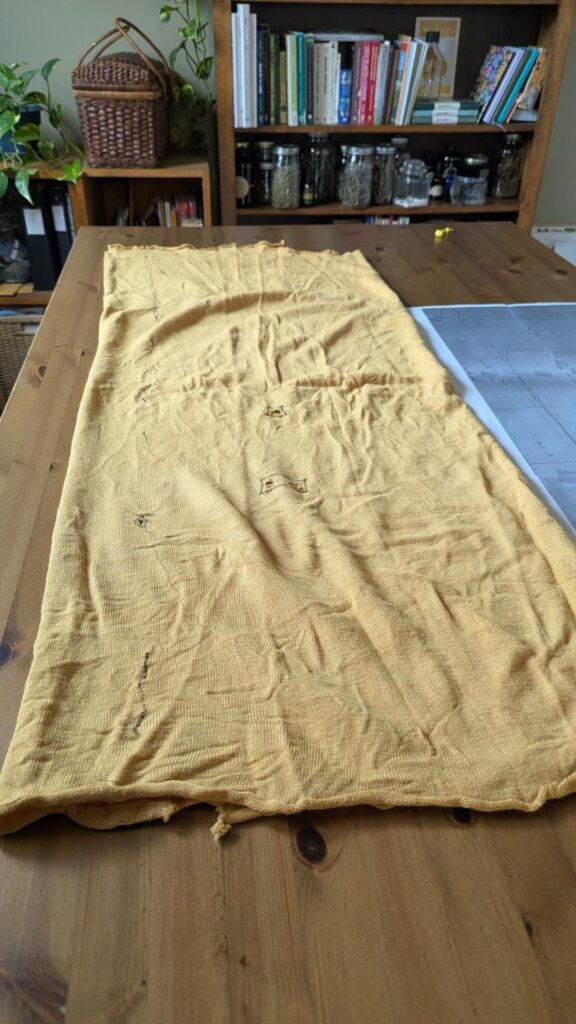
Found the perfect fabric that had previously been designated absolute trash and put in the scrap box. There doesn’t seem to be a slug emoji so I am using this one to express the same emotions 🤘
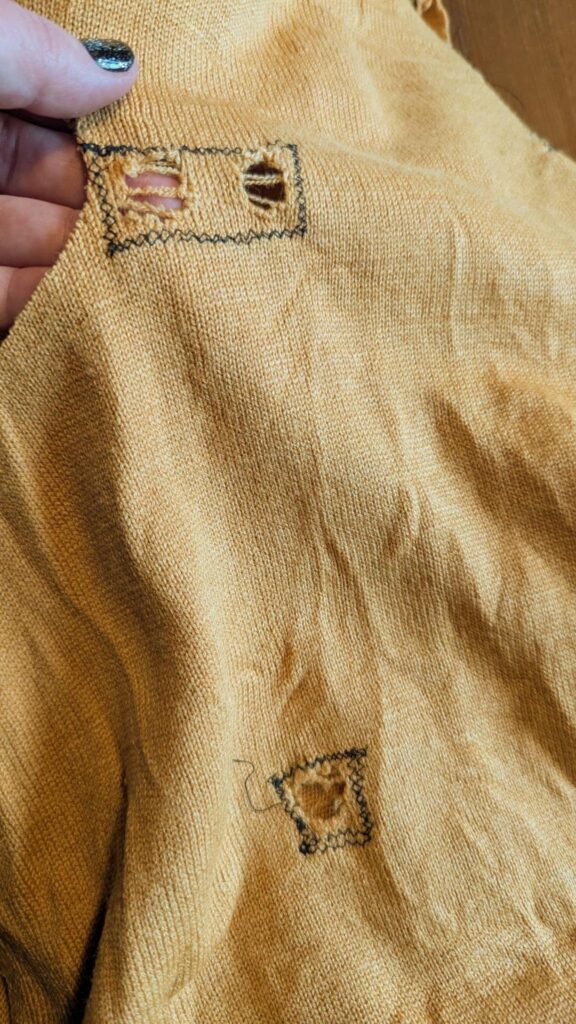
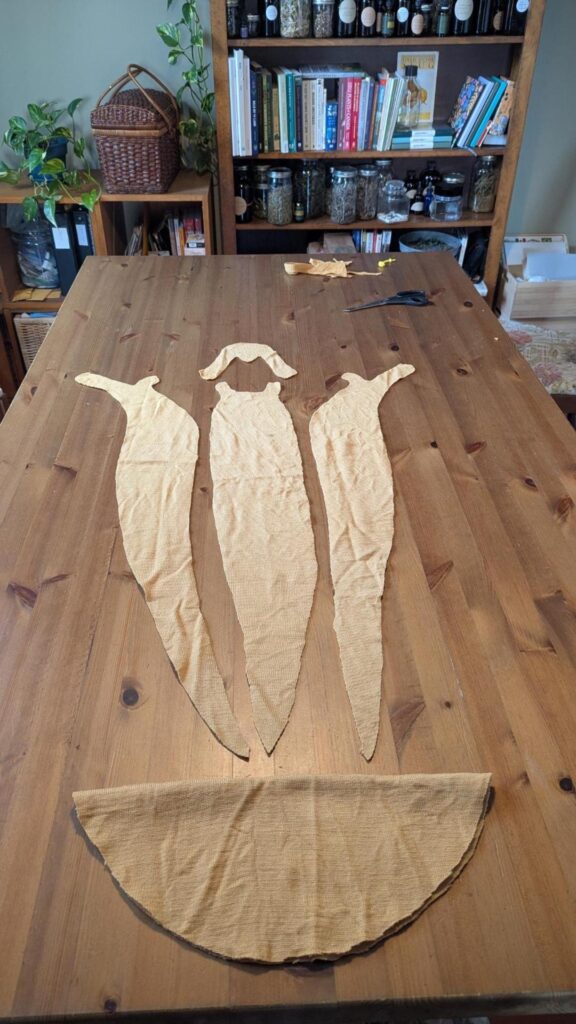
Printed the “pattern” which turned out to be a series of jpeg photos of hand-drawn shapes with no scale or pagination. Not so much an indie sewing pattern as a lo-fi punk sewing pattern. Worth it. They are very good slug shapes. Behold! Slug shapes!
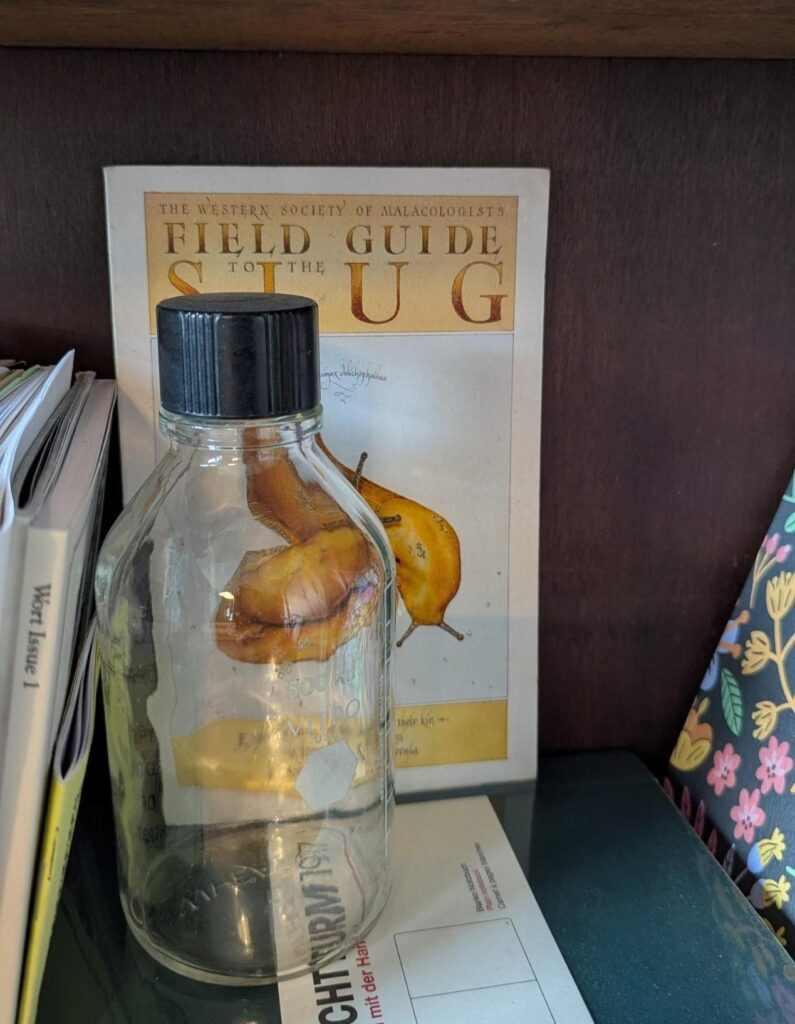
Lol just realized there is a slug easter egg in the background of some of those photos
Fittingly the best thread match is this fucked up spool that I think got stepped on.
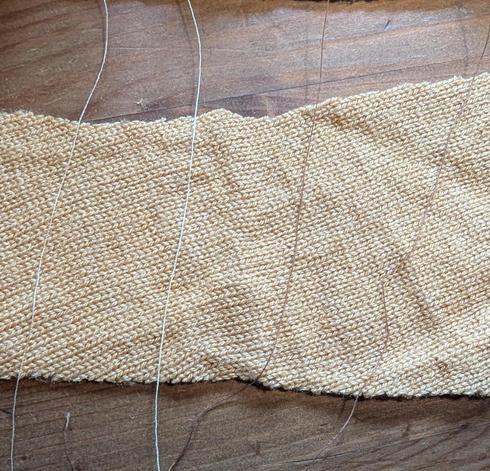
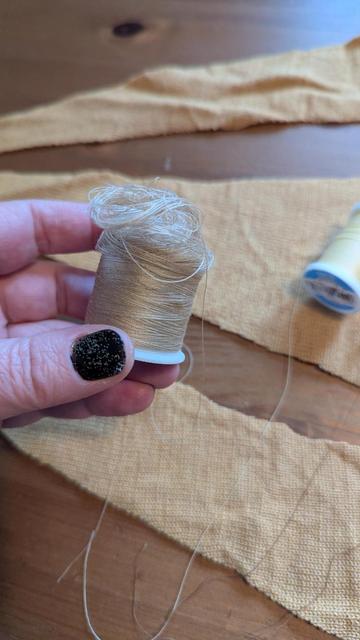
Thread chaos intensifies…
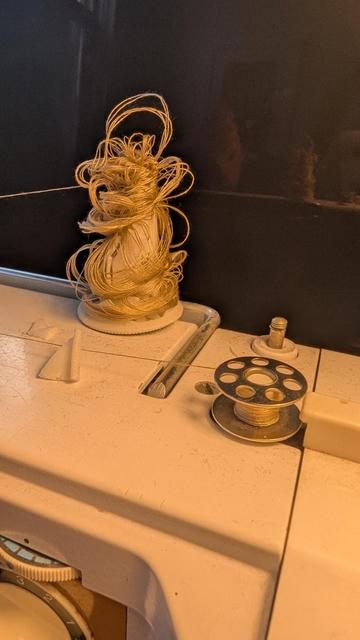
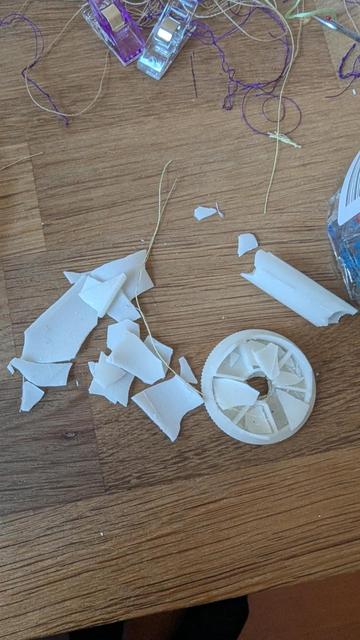
This slug mouth concept is: gathers. I love it.
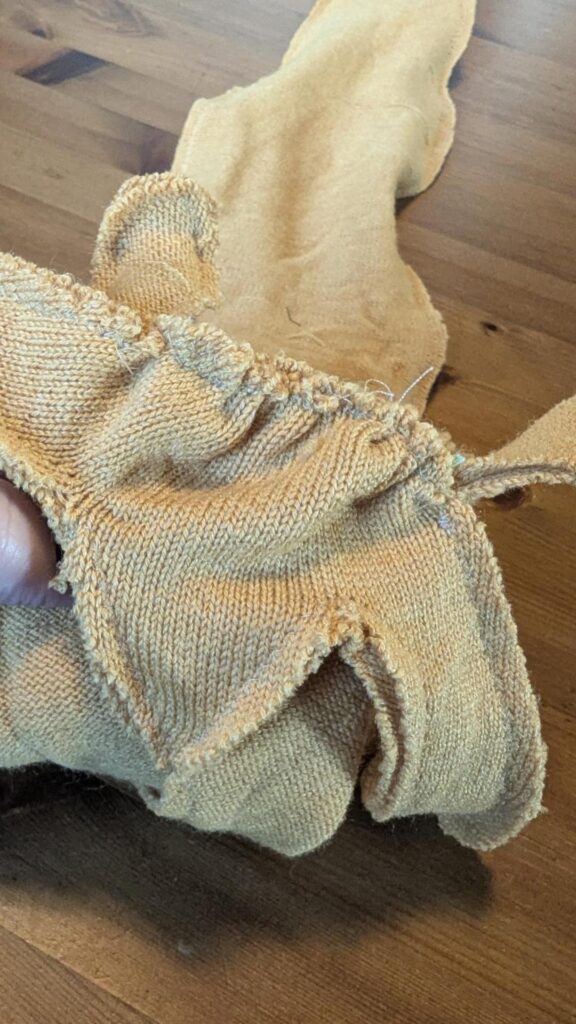
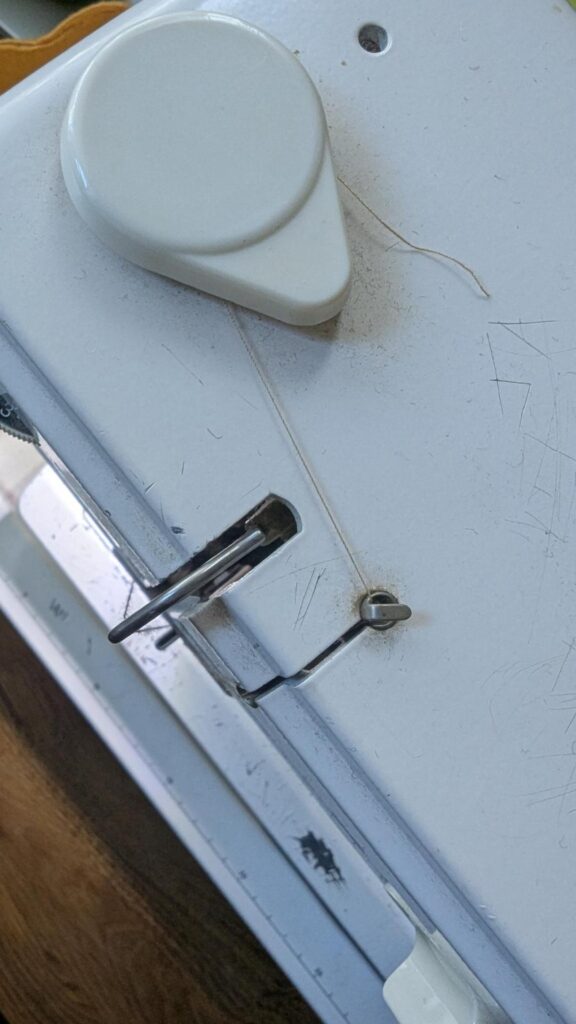
New record at thread chicken 😳
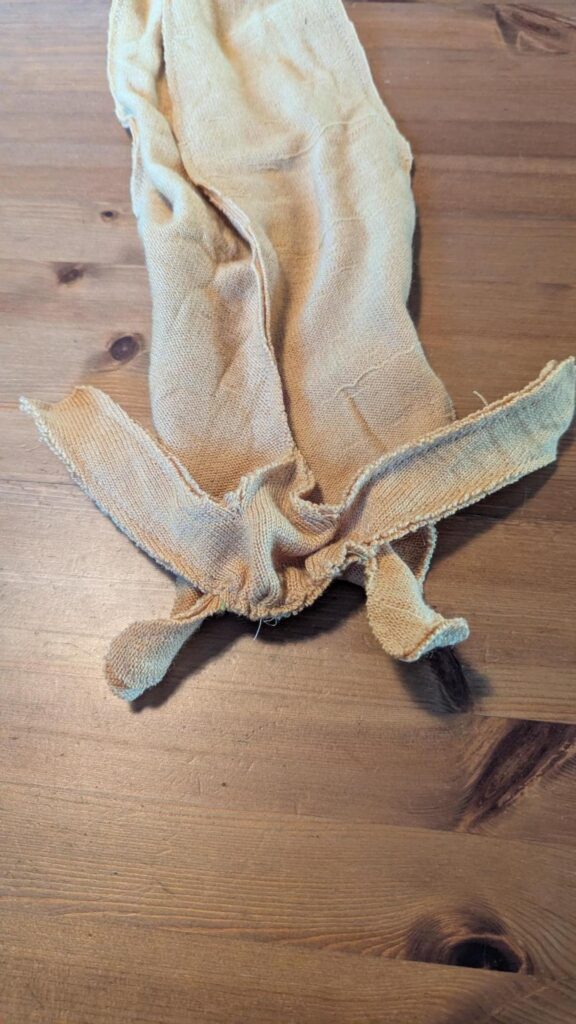
Inside-out slug kind of has moth vibes.
This tentacle turning technique was inspired by emergency surgery portrayals on The Pitt lol. Put your finger in as a guide, so you know where to press your knitting needle / reusable straw / medical instrument from the inside

Suddenly it is golden hour, to welcome the pre-viscerated slug. Hello friend.
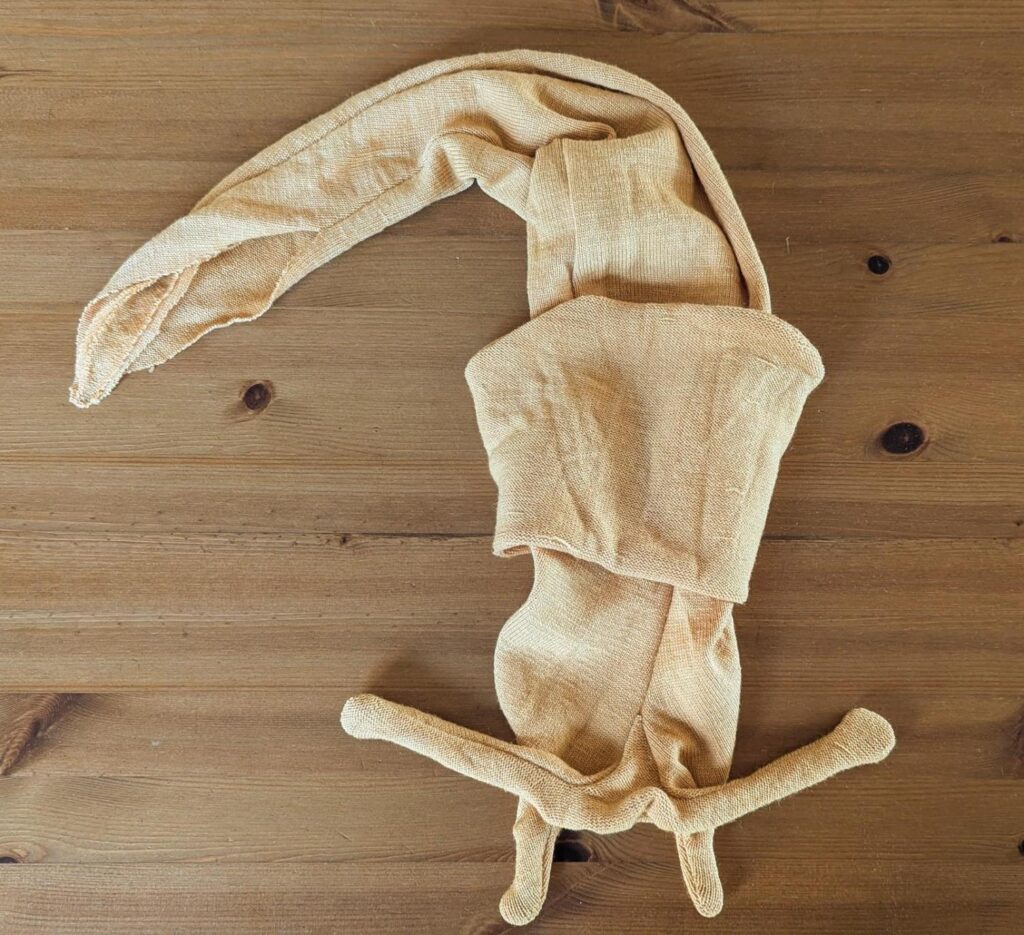
At this point I’m just enjoying taking a tour of all my worst craft supplies, but they do keep working perfectly.
This is a washed-but-not-that-clean sheep fleece that I think a friend found in the shed when his collective house was disbanding, and it’s going to make perfect slug stuffing.
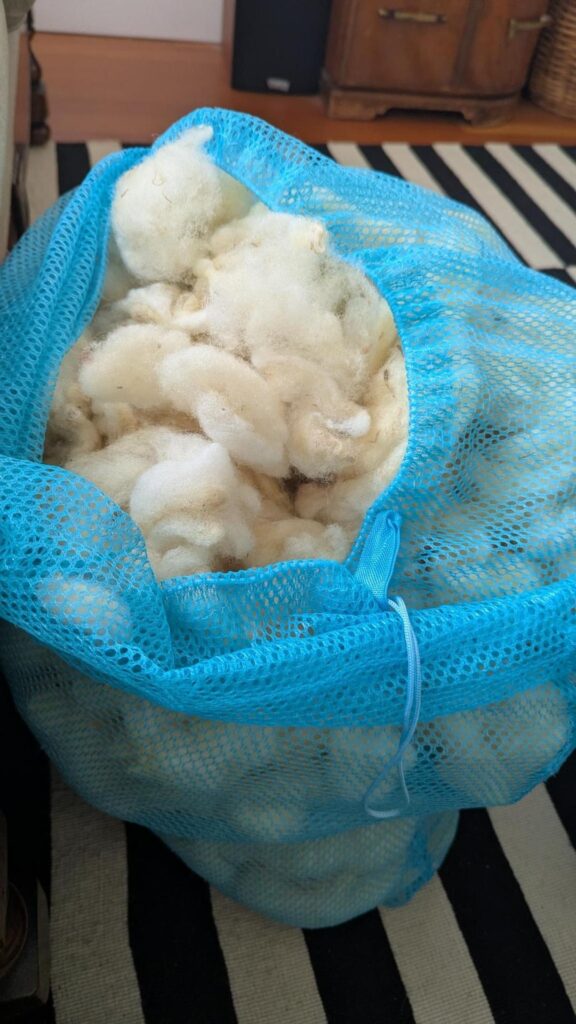
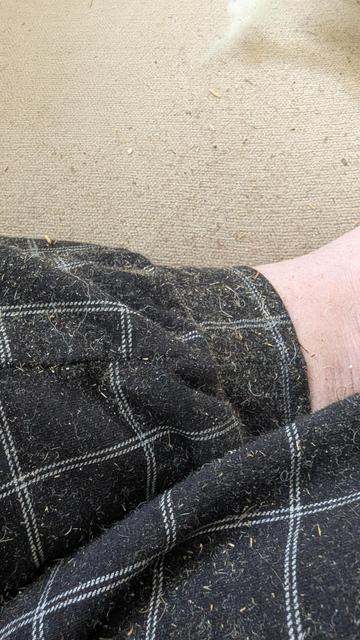
The peril of crafting on the heating pad instead of an appropriate work surface 🤷
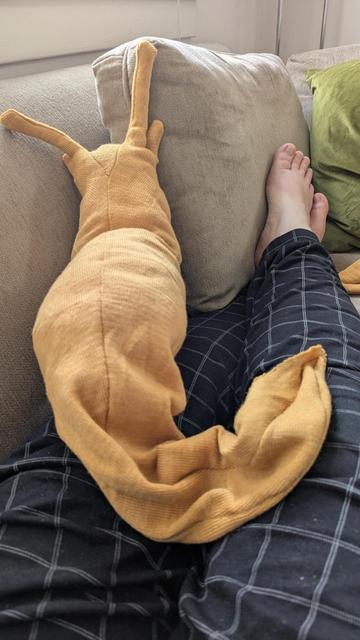
Final reveal: Banana slug! Draft stopper!
Becoming a stereotype of myself
Listening to a podcast about anticolonial approaches to writing herbal monographs for personal use. It’s Sam Roberts on Planting Medicine and it’s good 🌱
nettlekopita?
Today’s small pleasure is that I made delicious spanakopita using a pound of frozen stinging nettles instead of spinach, and because step one is “squeeze as much liquid as possible out of the frozen greens”, I now have about a pint of deep green-black stinging nettle juice in the fridge.
Mariame Kaba on zines
Ahhhhhh this Mariame Kaba presentation on zines as community archives was thrilling. Loved the connections with early pamphlets and magazines made by Black people in the US, and her thoughts on the relevance of DIY publishing in, uh, high censorship environments.
nbd
Just Car Seat Headrest performing on KEXP with singer Will Toledo in a respirator ❤️
I want to send this to everyone who has ever said, “Can you take your mask off so people can hear you?”
Branding
Today’s small pleasure is putting together some fancy root vegetable, wild rice, and mushroom phyllo pastries (prepped slowly over several days). They are delicious, but the main pleasure is in calling them Turnip Rolls
Thanks to Print Hole for hosting a ✨ mask-required art workshop ✨ last night. What a dream.


Watch as the fourth class of painkillers kick in for today’s “breakthrough” pain


They just want to be loved
Going to start singing this at people who are still concerned about inclusion and balance for nazis.
Giant mutant tarantulas just want to be loved
(just wanna, wanna be loved, loved)
… when I sing it, I swap out “maniacs” for “murderers” because I am tired of casual ableist slurs
Coma therapy wishlist
At a chronic pain seminar tonight, the OT said, “one thing we often hear is, ‘oh i wish you could just put me in a coma until my current neurons would die and be replaced with new ones that aren’t so highly reactive’, but unfortunately that isn’t how the nervous system works.”
Firstly, lol at “unfortunately”. Love this ally who wants to make coma therapy wishes come true.
Secondly, wanting a temporary coma really is a common fantasy across quite a few chronic conditions. I have personally heard it from people with pain, anxiety, depression, ME/CFS, and also just sleep-deprivation (parents).
I mean

I am thinking about how often patients are correct in a general or metaphorical way– folks with ME who say they feel like their batteries don’t work and then research turns up mitochondrial dysfunction.
Makes me wonder what version of coma therapy will turn out to work for us all.
Falsehoods Programmers Believe About Chapter Numbers
I got physically agitated about the section numbering in a book that Simon showed me 😂
Spent time on the alt text to try to bring this chaos to you.


All but one of the top-level sections group everything under a single sub-head. WHY. My urge to refactor is so strong 😂
Coffee wasn’t hitting so I am watching Tony Hawk yell “do a kickflip” at skateboarders from his car for 6 minutes ❤️
Accessibility by ikea
Just noticed that ikea has a decent accessibility collection right now? BÄSINGEN includes a shower chair, some step stools, and the thing I always want which is grab bars that double as towel racks, shower shelves, etc. Nice to see!
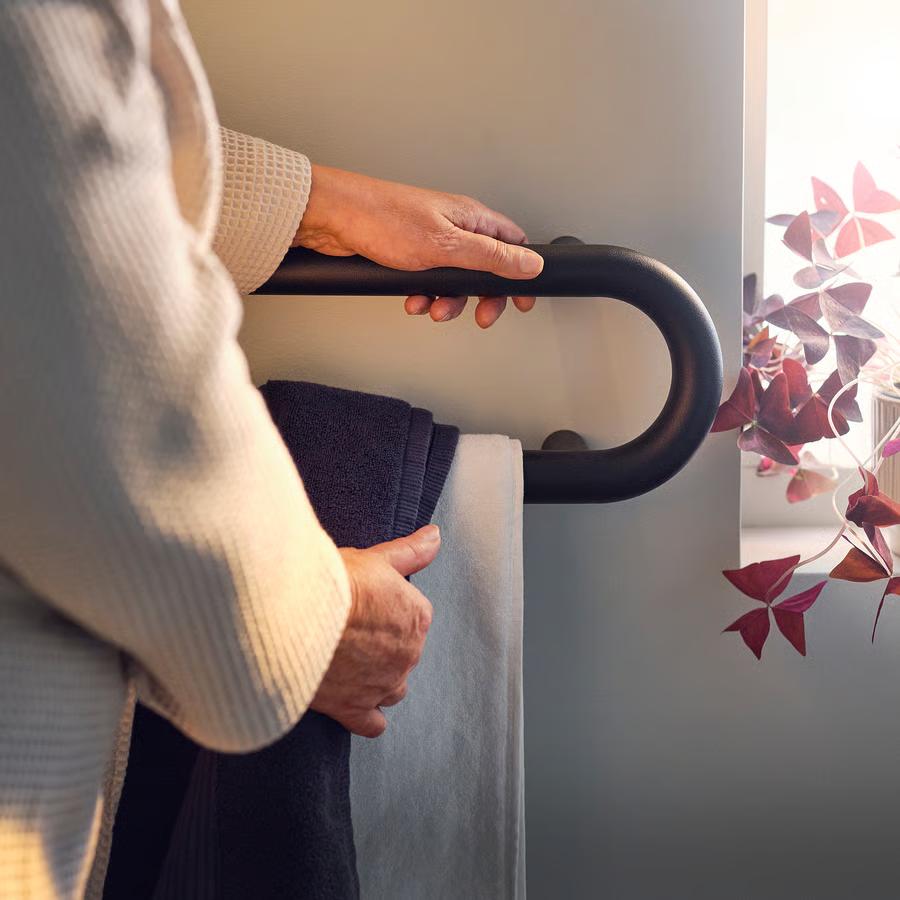
Today’s small pleasure is needlessly getting the black edition of things.


Any good host
You know, since getting a heating pad for myself there have been a ton of times i have set it up for guests. Sore neck, bum knee, back problems, menstrual cramps, feeling the weather changing, cold kids after sledding…
I should have gotten one years ago just for hospitality!
How to talk so ghosts will listen…
This year’s addition to the Halloween bookshelf, made from a rain-damaged hardcover I found in a little free library with a broken door.
